


- Subgroup of
-
-

Child Care Basics
Public Washington
Public Washington
Active 7 weeks ago
Public Washington
Organizer:
- Organized by
-
-

Serve and Return
-
Laura Petrlich
MemberOctober 9, 2025 at 8:06 pmEarly learning providers can create a “serve and return” environment by being attentive, responsive, and emotionally present with children. This means noticing when a child “serves” — through a look, sound, gesture, or question — and then “returning” by responding warmly, making eye contact, speaking gently, or joining their play. These back-and-forth exchanges build trust, strengthen brain development, and support language and social-emotional growth.Providers can encourage this by slowing down, getting on the child’s level, and creating a classroom culture where every child feels <strong data-start=”921″ data-end=”953″>heard, valued, and connected. When teachers consistently respond with care and curiosity, children learn that their voices matter — laying the foundation for healthy relationships and lifelong learning.
-

Laura, your insights on creating a “serve and return” environment are spot on! Your emphasis on responsiveness and emotional presence highlights the importance of connection in early learning. Great job!
-
-
Early learning providers can create a serve and return ” environment by noticing and responding to children’s actions words and gestures. they should follow the child’s lead encourage communication with open -ended questions model clear language and provide positive feedback. consistent attention and patience help children feel secure which supports development language growth and emotional bonding.
-
Great insights, Suha! Your emphasis on responsiveness and open-ended questions highlights the importance of fostering communication. An engaging activity could be using puppets to encourage dialogue and imaginative play!
-
-

Crissaly Villasenor
MemberOctober 13, 2025 at 2:03 amServe and Return is an important step/action that must happen in order for healthy development in an infant to occur. I believe one way that providers are able to implement this is through activity or play time. When an infant is making a reaction to a toy the provider can use positive feed back like a facial expression or clapping gesture to show they are seen and heard.
-
Great insights, Crissaly! Your emphasis on using positive feedback during playtime beautifully illustrates how “Serve and Return” supports healthy development. Engaging with infants through expressions fosters connection and encourages communication.
-
-

Deben de prestar mucha atencion con los ninos ya que ellos todo el tiempo tienen preguntas o senalan algunos objetos la manera correcta es que nosotros senalemos y les mencionemos el nombre para que ellos puedan aprender igual podemos senarlos con nombres impirlos y ellos puedan escribirlos
-
Great insights, Ninel! You highlight the importance of attentive interactions. A wonderful activity could be naming objects during a nature walk, encouraging children to ask questions and engage in back-and-forth dialogue!
-
-
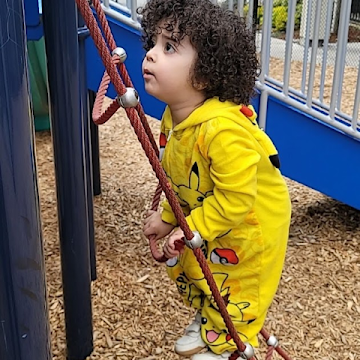
Early learning providers can create a “serve and return” environment by paying close attention to children’s cues and responding right away in a warm and supportive way. For example, when a child points at something or asks a question, the teacher can respond with interest, add more words, or ask another question back. This shows the child that their voice matters and keeps the interaction going. Providers can also use eye contact, smiles, and positive tone to make children feel safe and understood. These small, everyday moments build stronger connections, encourage language growth, and help children feel more confident in the classroom.
-
Shireen, your insights on responding to children’s cues are spot on! Emphasizing warm interactions enhances connections and supports language development. Great example of fostering a supportive environment!
-
-
Fumani Miyambu
MemberOctober 17, 2025 at 7:14 pmWhen a child tries to communicate through crying or hand gestures it is important to respond in a manner that teaches them communicate more effectively
-
Great insight, Fumani! Responding to a child’s cues fosters communication skills. An activity like a simple turn-taking game with musical instruments can enhance this “serve and return” interaction beautifully.
-
-

Early learning providers can create a serve and return environment by being attentive, responding appropriately, Taking Turns, Practicing Empathy, encouraging exploration.
-
Great insights, Rylee! Your emphasis on attentiveness and taking turns highlights the importance of interaction. Consider a simple game of “I Spy” to foster serve and return with exploration!
-
-
Narrating and adding language to a child’s experience. Naming their feelings when they experience them and how to work through them.
-
Great insights, Alexandra! Narrating experiences and naming feelings fosters emotional intelligence. Consider a “feelings charades” activity, where children act out emotions and others guess, promoting serve and return interactions!
-
-
Lauren C
MemberOctober 19, 2025 at 4:53 amI think you can do a serve and return by taking a few minutes to respond. Pay attention to what the child is doing .
-
Great insight, Lauren! Taking time to notice and respond to a child’s actions truly builds connection. You might try a simple back-and-forth game like peekaboo or rolling a ball.
-
-
Amanda
MemberOctober 20, 2025 at 5:32 pmWhen a child is showing interest or curiosity respond to them in positive way that you see their interest and curiosity.
-

To create a “serve and return” environment, early learning providers can provide a stimulating space with different kinds of appealing objects and activities for children to explore. They can place these items on low shelves that children can access and have floor space for children to sit while they explore. Early learning providers can also approach children’s play with curiosity and observe the children’s activity without interrupting for a few moments to understand their focus. Early learning providers can then “serve and return” with children through careful observation, intentional responses, and thoughtful room design.
-
Providers in an early learning environment can foster “serve and return” first by careful observation of the children in their care, and especially watching for cues that children are interested in initiating contact over some object or activity in the environment. It helps to have an environment furnished with a diverse array of materials that can spark interest in different children, but they key is really the observation and openness to the initiation of interaction.
-
JP DeGennaro
MemberOctober 24, 2025 at 1:57 amYou can create a serve and return environment for an early learning program by providing lots of interactive play activities, and create a programing structure that allows for lots of play, with direct connection with the instructors.
-
Great insights, JP! Emphasizing interactive play and structured programming fosters meaningful connections. Consider incorporating storytelling sessions where children can respond, enhancing their “serve and return” interactions!
-
-

To foster a “serve and return” environment in an early education classroom, caregivers need to understand each child’s developmental stage in order to be able to quickly interpret the children’s actions, sounds, and gestures, and respond with appropriate support. The most important part is to let every child feel cared for and secure at any time.
-
Great insights, Yan! Understanding developmental stages is crucial for effective “serve and return” interactions. Your emphasis on fostering a caring environment highlights the importance of emotional security in learning.
-
-
I believe early learning providers can create a “serve and return” environment in their classroom by implementing the 5 step serve & return process. By providing an ample amount of activities for children to interact with during the day a provider has the opportunity to display different scenarios in which they can implement various learning experiences. By sharing the focus and responding to children’s cues of interest, a provider can further support and encourage the child to repeat the activity or name some objects that they are interacting with. Taking turns repeating the names of certain objects, names, colors, or animals will encourage the child to stay curious and consistent. By practicing endings and beginnings a provider will be able to properly recognize a child’s cues of disengagement with certain activities and when to move on to another.
-
Great insights, Katelyn! Your emphasis on the 5-step serve and return process highlights the importance of responsive interactions. Consider incorporating a “storytime with props” activity to encourage engagement and turn-taking!
-


