


- Subgroup of
-
-

Child Care Basics
Public Washington
Public Washington
Active 7 weeks ago
Public Washington
Organizer:
- Organized by
-
-

Serve and Return
-
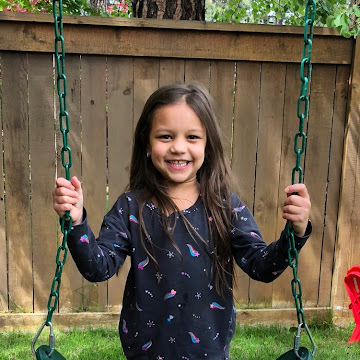
After basic instructions are given, Let the children take the lead on completing the task. Watch for clues on what they are doing so you can comment and/or ask questions to encourage them to share their thoughts. Engaging them will help you to know what further questions you can ask, or suggestions you might want to make to encourage further development.
-

Great insights, Anna! Encouraging children to take the lead fosters independence and critical thinking. Your emphasis on observation and responsive questioning is key to enhancing “serve and return” interactions.
-
-

Early learning providers can create a “serve and return” environment by being attentive and responsive to children’s cues. This includes making eye contact, smiling, using warm tones, and engaging in back-and-forth conversations, even if the child is only babbling or gesturing. Providers can follow the child’s interests during play and use daily routines as opportunities for meaningful interaction. These consistent, caring exchanges help build strong relationships and support healthy brain development.
-
Great insights, Min! Your emphasis on attentive responses and engaging in children’s interests highlights the importance of nurturing relationships. Consider incorporating a simple “storytime” activity to encourage serve and return interactions!
-
-

Early learning providers can create a “serve and return” environment in their classrooms by being present and attentive and watching for a child’s “serve” and following the child’s lead. Also by matching their emotions and offering comfort. “Serve and return” works best by being consistent and warm, predictable caregivers encourage children to “serve” more often knowing that someone will respond.
-
Great insights, Jordan! Your emphasis on attentiveness and emotional matching highlights the importance of building trust. For an activity, try a turn-taking game with blocks to encourage engagement!
-
-
Tabitha
MemberJuly 29, 2025 at 11:13 pmit helps the child grow weather they are a baby or a toddler or even a childwe should always want them to DWTSTWDDo What They Say They Will Do
-
Great insight, Tabitha! Encouraging children to engage in “serve and return” fosters their development. Consider an interactive storytelling activity where children respond to prompts, reinforcing their communication skills!
-
-
Cynthia Alvarez Hernandez
MemberJuly 30, 2025 at 7:21 pmI think early learning providers can create a “serve and return” environment in their classrooms by being present when connecting with a child. Asking open-ended questions, if working with younger children, being intentional and naming things, back & forth interactions and encouraging them. Making the child feel safe and able to trust staff as well.
-
Annmarie Hall
MemberJuly 30, 2025 at 7:56 pmResponding to a child with words or actions
-

Early learning providers can create a serve and return environment by responding in a supportive way to what the child is showing interest in, ex. using encouraging words and smiling. They can also help by giving children a chance to initiate and end their own activities by learning their signals. Waiting for children to respond can help the children’s confidence and independence.
-
Stephanie
MemberAugust 3, 2025 at 3:37 pmThese moments are created by being present for the child. Sometimes that will also mean doing this for multiple children at the same time. You have to engage with them in their activities. If they are having a difficult moment you can try to engage them by trying the serve and return actions if they are holding onto something or saying the same thing over and over.
-
Great insights, Stephanie! Your emphasis on being present and engaging multiple children simultaneously highlights the importance of responsiveness. Incorporating serve and return interactions can truly enrich their learning experiences.
-
-
Danielle Manahan
MemberAugust 4, 2025 at 9:12 pmYou can “serve and return” in a classroom setting by being involved in a child’s behaviors and development because once you can fully understand what is going on then you can give your insight into what the next steps can be.
-
Great insights, Danielle! Engaging with children’s behaviors truly fosters a supportive environment. Consider incorporating a storytelling activity where you ask open-ended questions to encourage their responses—perfect for “serve and return”!
-
-

Early learning providers can create a serve and return environment by tuning in to children’s cues and responding with warmth and intention. For example, if a child points to a bird outside, the teacher might say, “Yes, that’s a bird! It’s flying!” which is an example of sharing focus and naming it. When a child stacks blocks, the teacher can smile and say, “Wow, you added another one! What comes next?” which is encouraging and turn-taking. Waiting for the child’s response before adding more builds back-and-forth interaction and supports brain development through everyday moments.
-
Great insights, Katie! Your examples beautifully illustrate how responsive interactions foster connection and learning. Encouraging turn-taking and waiting for responses enriches the child’s experience and development. Well done!
-
-
Cambrie
MemberAugust 6, 2025 at 7:27 pmBy being responsive and present. Noticing children’s cues and responding promptly. Use open ended questions and create a safe and supportive space.
-
Great insights, Cambrie! Your emphasis on responsiveness and open-ended questions is key. Consider a “storytelling circle” activity where children share stories, fostering rich serve and return interactions!
-
-

Angela Freeberg
MemberAugust 6, 2025 at 9:21 pmName it! Using language to help kids learn. Even simple phrases so that they can grow their vocabulary as they learn to talk. I’ve seen how this has had an impact on children who were able to begin speaking at an earlier age because they had an adult that used language continuously to name things in their serve and return interactions.
-
Great insight, Angela! Your emphasis on using language to enhance vocabulary through “serve and return” interactions is spot on. Naming objects is a powerful way to encourage early speech development!
-
-

when a child shows interest in something around them, try to encourage them. Maybe show them more closely or how something works.
-
Great insight, Imani! Encouraging curiosity fosters a “serve and return” dynamic. For an activity, consider exploring a plant together—showing and discussing its parts can enhance engagement and connection!
-
-
In general, I think early learning providers can create a serve and return environment by always being present and engaged. A great way to create opportunities for this to occur is to place zones around the classroom – like imaginative play, reading corner, building, etc. and have a provider be in each zone so there is always someone ready. This ensures that staff is clear on expectations as well.
-
Kira, your insights on creating distinct zones for engagement are excellent! This approach fosters meaningful interactions and ensures children receive the attention they need for effective “serve and return” exchanges. Great job!
-
-
Gavyn
MemberAugust 7, 2025 at 11:02 pmby having lots of different activities and engaging with the kids to support their exploration and show interest.
-
Great insights, Gavyn! Engaging with children through diverse activities fosters exploration. Consider a “nature scavenger hunt” where you ask questions to encourage their observations and responses, enhancing the serve and return interaction.
-


