

- Subgroup of
-
-

Child Care Basics
Public Washington
Public Washington
Active 7 weeks ago
Public Washington
Organizer:
- Organized by
-
-

Good Early learning environment
-
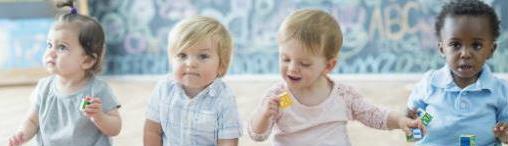
A good early learning environment has a lot of important parts, but some really stand out. First, it needs to be safe and nurturing so kids feel secure enough to explore and learn. Having lots of interesting, age-appropriate toys and materials is key too because it keeps them engaged and helps them grow.
Consistency is also huge—routines make kids feel comfortable and help them know what to expect. Social interaction is another big one. Kids need chances to play and work with each other to build social skills. It’s also important to have an inclusive environment that celebrates different cultures and makes every child feel valued.
Finally, having responsive teachers who really pay attention to what kids need and adapt to them makes all the difference.
-
Thalia Ramos
MemberDecember 22, 2024 at 11:52 pmAre there any components of a good early learning environment that you think are especially important?
safe and welcoming environment, clean, organized. An environment where kids have different ways to learn and grow indoors and outdoors.
-
Myrna
MemberDecember 23, 2024 at 9:00 pmI think I very important component for good early learning is making sure the kids have a spot in the room where they can relax and have some quiet time. Every kid is different and the children who need the time to sit in quietness there should be a place where that need is met.
-
A good early learning environment should be safe, welcoming, and organized. It’s important to have age-appropriate materials that encourage creativity, learning, and social skills. The space should be comfortable, with areas for quiet time and active play. Clear routines and consistent schedules help kids feel secure.
-
Mars Walston
MemberDecember 23, 2024 at 11:59 pmHaving multiple options available for kids to develop a wide range of skills in a safe and entertaining manner.
-
I think a rich Dramatic Play area offer so many opportunities for learning.
-
taylor harris
MemberJanuary 2, 2025 at 7:20 pmCreating a welcoming, nurturing environment. Using manners. A comfortable space that children will feel safe.
-
Leslie C
MemberJanuary 6, 2025 at 4:59 amI believe an organized, clean and safe space where children can feel comfortable within themselves. Meaning they know they are able to get what they want (at least what their able to) without having to ask, and just express themselves.
-
leslie carrasco
MemberJanuary 6, 2025 at 5:02 amI believe an organized, clean and safe space where children can feel comfortable within themselves. Meaning they know they are able to get what they want (at least what their able to) without having to ask, and just express themselves.
-
maya modin
MemberJanuary 6, 2025 at 5:48 pmAre there any components of a good early learning environment that you think are especially important?
A Component of a good early learning environment, can be a few different things such as well thought out, welcoming, inspiring, and a secure learning space.
-
Yes, there are several key components of a good early learning environment that are essential for fostering positive development in young children. Here are a few that I believe are especially important:
-
Emotional and Social Support: A positive, nurturing atmosphere where children feel safe, supported, and respected is crucial. This includes forming strong, trusting relationships between caregivers and children. When children feel emotionally secure, they are more likely to engage in learning and social interactions.
-
Responsive Caregiving: The environment should encourage responsive caregiving, where educators are attuned to children’s needs and cues. This can involve everything from answering questions to addressing emotional needs. Responsive care helps children develop secure attachments and promotes emotional and cognitive growth.
-
Inclusive Practices: An inclusive environment that embraces diversity and recognizes and celebrates differences in culture, family structure, abilities, and backgrounds is vital. This makes all children feel valued and supported, fostering an appreciation for diversity from a young age.
-
Hands-on, Play-Based Learning: Children learn best when they are actively engaged through play. A good early learning environment provides ample opportunities for hands-on, explorative, and creative play. Activities should encourage problem-solving, imagination, and peer interactions. Play is also a way for children to practice social skills and self-regulation.
-
Physical Environment: A well-organized, safe, and stimulating physical environment is essential. This includes accessible learning materials, appropriate furniture, and a clean, child-friendly space that promotes exploration and learning. Outdoor space for physical activity and nature exploration also plays a big role in children’s well-being.
-
Culturally Relevant Materials: A diverse range of books, toys, and materials that reflect the children’s cultures, backgrounds, and interests should be present. This helps children see themselves in the learning materials and promotes self-awareness and pride.
-
Clear Routines and Structure: Children thrive in environments where there is a balance of freedom and structure. Clear routines give children a sense of security and help them manage transitions. This also helps children learn time management, responsibility, and independence.
-
Developmentally Appropriate Curriculum: The curriculum should be tailored to the age and developmental stage of the children, ensuring that activities are challenging but not overwhelming. This includes scaffolding learning experiences based on the children’s individual needs and abilities.
-
Family Engagement: A strong partnership between families and the early learning program enhances a child’s development. Regular communication, family involvement, and acknowledging family values and goals can help provide a consistent approach to the child’s growth and learning.
These components, when woven together, create a rich and supportive early learning environment that promotes not only academic success but also social, emotional, and physical well-being.
-
-
Aubrie Wall
MemberJanuary 9, 2025 at 4:28 amA good early learning environment is one that combines safety, stimulation, routine, positive interactions, and support for individuality. It should encourage play, foster social-emotional development, be inclusive and adaptable, and actively engage families in the process.
-
Kylee
MemberJanuary 9, 2025 at 6:35 amA safe and clean environment for the children to learn in is especially important.
-
The best early childhood environment would take in safety, incorporation, and discovery. Key features: a nurturing atmosphere, appropriate equipment, and opportunities to foster creativity and social interaction among other developmental needs of children.
-
Kendra
MemberJanuary 13, 2025 at 2:08 amA secure and comfortable space ensures children feel safe to explore and learn as well as caring, responsive educators who help children develop social-emotional skills and build trust.
A variety of age-appropriate toys, books, and learning tools foster creativity and cognitive development.
A predictable daily schedule provides children with stability and helps them develop time management skills. An environment that supports curiosity and allows children to explore at their own pace promotes independence and problem-solving.


